If your idea of AI wellness therapy is still a massage chair with a few smart modes, the market has moved well past that in 2026. AI is turning fixed-program equipment into something more personalized and automated — and it is no longer just a trade-show concept. 如果你对 AI 理疗的印象,还停留在“按摩椅多了几个智能模式”,2026 年的发展其实已经走得更远。AI 正在把传统固定程序,变成更个性化、更自动化的健康体验——而且这已经不只是科技展上的概念。
- Korea: Bodyfriend's "generative AI massage" earned AI+ certification — it interprets a request in plain language and recombines 130+ movement modules, instead of running fixed presets.韩国:Bodyfriend 的“生成式 AI 按摩”获得 AI+ 认证——它能听懂自然语言需求,从 130 多种动作模块中重新组合,而不是套用固定程序。
- United States: Massage Envy is rolling out Aescape robotic massage — a body scan, adjustable pressure, no booking. Technology is becoming a real consumer business.美国:Massage Envy 已在部分门店引入 Aescape 机器人按摩——扫描身体、自选力度、无需预约。科技正在变成真正的生意。
- China: The market has moved past "AI massage" to AI-assisted moxibustion, acupoints and heat — reworking familiar wellness practices through robotics.中国:市场已经不只是“AI 按摩”,而是把艾灸、穴位、热敷用机器人和 AI 重新做一次——也就是“AI 康养”。
- Canada: 8.1 million people are 65 or older, alongside large Asian communities already familiar with these practices — an unusual mix of demand.加拿大:65 岁及以上人口超过 810 万,加上庞大且熟悉这些康养方式的亚洲社区——需求组合相当特别。
- An important line: "AI wellness" does not automatically mean a medical device. Everyday relaxation equipment differs from a product marketed to diagnose or treat disease.一条重要界线:“AI 理疗”并不自动等于医疗器械。日常放松设备,与宣称诊断或治疗疾病的产品完全不同。
Korea: massage that starts to understand the user韩国:按摩椅开始真正“听懂你”
On August 25, 2026, the Korean health-tech company Bodyfriend — one of Korea's larger massage-chair and health-tech brands — announced that its Generative AI Massage technology had received AI+ certification from the Korea Standards Association. 2026 年 8 月 25 日,韩国健康科技企业 Bodyfriend 宣布,其“生成式 AI 按摩”技术获得韩国标准协会 AI+ 认证。Bodyfriend 是韩国较大型的健康科技及按摩椅品牌之一。
What matters is not another "neck" or "sleep" preset. The system can interpret a request in natural language and recombine more than 130 movement modules — the area, the motion and the duration. The old model let people pick a program the machine already knew; the new direction lets the machine build the program around what the person asks for. That may be the more important shift behind AI massage. 这次最值得注意的,不是又多了几个“肩颈模式”或“睡眠模式”,而是系统可以理解用户用自然语言提出的需求,再从超过 130 种动作模块中重新组合按摩的位置、动作和时间。过去是人选择机器已经准备好的程序;现在开始变成机器根据人的需要重新组合程序。这可能才是 AI 按摩真正重要的一步。
The United States: robotic massage becomes a real business美国:机器人按摩已经变成真正的生意
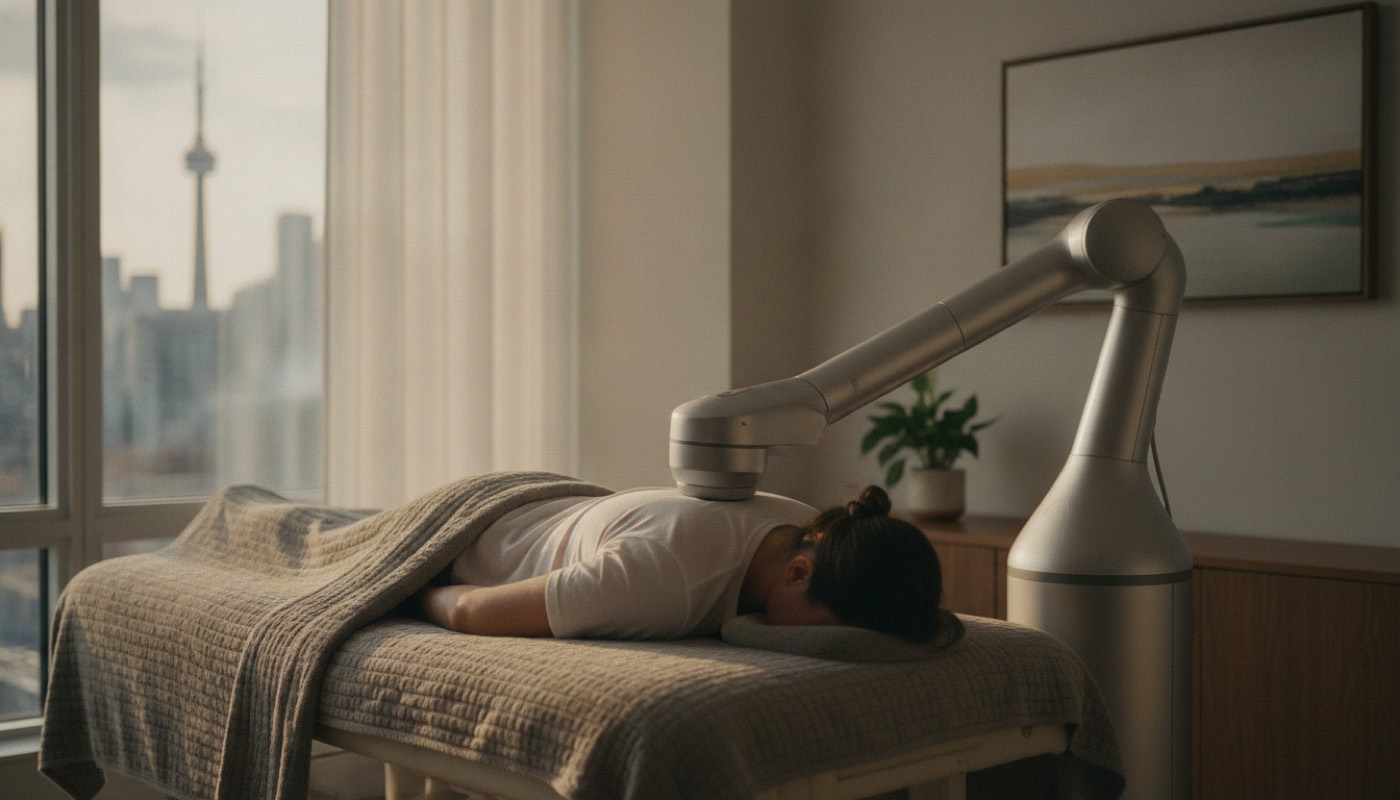
In the U.S., the market is already testing whether people will pay for robotic massage. The major franchise Massage Envy has introduced Aescape Robotic Massage at selected locations. Aescape scans the body to build a personalized map, then lets you choose where to focus and adjust the pressure during the session. 另一边,美国已经开始测试消费者愿不愿意为机器人按摩付费。大型按摩连锁品牌 Massage Envy 已经在部分门店引入 Aescape 机器人按摩。Aescape 会先扫描身体、建立个人身体地图,再让使用者选择想重点按摩的位置和力度,并可以在过程中自行调整。
In other words, the product is no longer selling only "automated massage." It is selling convenience, control and a more personalized experience — a clear sign that AI massage is moving from technology demonstration to real consumer use. 换句话说,它卖的已经不只是“自动按摩”,而是不用预约、自己控制,并且可以按个人身体和时间选择的体验。这说明 AI 按摩已经开始从科技展示,进入真实消费市场。
Why is this market drawing attention now?为什么这个市场突然开始受到关注?
AI wellness therapy sits inside a much larger shift: wellness is moving from an occasional purchase to ongoing, everyday health management. The Global Wellness Institute puts the global wellness economy at about US$6.8 trillion in 2024, and projects roughly US$9.8 trillion by 2029. AI wellness therapy is only a small slice of that — but it combines several things consumers increasingly want: personalization, convenience, automation, recovery and proactive health management. 因为 AI 理疗刚好踩中了一个更大的全球趋势:wellness 正在从偶尔消费,变成日常健康管理。Global Wellness Institute 的数据显示,全球健康消费经济在 2024 年已经达到约 6.8 万亿美元,预计到 2029 年接近 9.8 万亿美元。AI 理疗只是其中很小的一部分,但它结合了消费者越来越在意的几个方向:个性化、方便、自动化、恢复,以及主动健康管理。
So the real opportunity may be much larger than selling a more expensive massage chair. 所以这个市场真正的机会,可能并不只是“卖一台更贵的按摩椅”。
China: already past "AI massage"中国:已经不只是“AI 按摩”
If Korea is making the technology smarter and the U.S. is validating the business model, China is developing in a slightly different direction — combining AI with wellness practices Chinese consumers already know well: AI-assisted moxibustion, acupoint positioning, neck and lower-back relaxation, heat and rhythmic movement, spinal stretching, eye-fatigue relief, and AI-assisted collection of health information. 如果韩国正在让机器变得更聪明,美国正在验证商业模式,那么中国市场的发展又有一点不同。中国已经开始把 AI 和华人本来就熟悉的康养方式结合起来,例如 AI 艾灸、穴位定位、肩颈腰背放松、温热律动、脊柱舒展、眼部疲劳管理,以及 AI 辅助健康信息采集。
China's smart-moxibustion robot sector has moved from early technology exploration into practical eldercare and wellness settings. In 2026, some eldercare and wellness organizations already use AI moxibustion robots, smart therapy beds and AI-assisted heat-recovery equipment. The market is not simply copying U.S.-style robotic massage; it is reworking familiar practices — moxibustion, acupoints, heat, massage, neck and back relaxation — through robotics, intelligent control and AI. That is why the term used more and more in China is not just "AI massage," but AI-enabled wellness and healthy-aging services. 中国智能艾灸机器人产业已经由早期技术探索,逐渐走向实际康养及养老场景。2026 年,中国部分养老及康养机构已经开始实际使用 AI 艾灸机器人、智能理疗床及 AI 热疗康复设备。这个市场的特点并不是简单复制美国的机器人按摩,而是把华人熟悉的艾灸、穴位、热敷、按摩、肩颈腰背调理,重新用机器人、智能控制和 AI 做一次。这也是为什么中国市场越来越常用的,不只是“AI 按摩”,而是一个更大的概念:AI 康养。
Canada is not sitting this one out加拿大也没有缺席
Canada may not be the first country to mass-market every AI wellness device, but the potential is real. There are now more than 8.1 million Canadians aged 65 and older — about 19.5% of the population — alongside office workers who sit all day, active people looking for recovery, and large Asian communities for whom massage, moxibustion, acupoints and heat-based wellness are already familiar. That gives Canada an unusual mix: North American interest in technology and personalized wellness, plus Asian consumers' familiarity with traditional practices. 加拿大可能不是最早大规模推广每一种 AI 康养设备的地方,但市场潜力并不小。目前加拿大 65 岁及以上人口已经超过 810 万,约占总人口的 19.5%。除此之外,还有办公室久坐人群、健身和运动恢复需求,以及庞大的亚洲移民社区——对不少华人来说,按摩、艾灸、穴位、热疗本来就不是陌生的概念。所以加拿大同时具备两个市场特点:北美消费者对科技和个性化 wellness 的接受度,加上亚洲消费者对传统康养方式的熟悉。
Canada's regulatory system is also adapting to AI-enabled medical devices and moxibustion-related products. One distinction matters: "AI therapy" or "AI wellness" does not automatically mean a medical device. Equipment intended for everyday relaxation and wellness differs — in both intended use and regulation — from a product marketed to diagnose or treat disease. So the better question is not only "Does it use AI?" but "What can it actually do — and what can it not do?" 加拿大的监管体系也已经开始面对 AI 医疗设备和艾灸类产品。不过需要分清楚:“AI 理疗”并不一定等于医疗器械。用于日常放松和 wellness 的设备,与宣称诊断或治疗疾病的医疗产品,在用途和监管上完全不同。所以消费者真正应该问的,不只是“它有没有 AI?”,而是“它实际上能做什么?不能做什么?”
Will AI wellness therapy replace RMTs, acupuncturists or doctors?AI 理疗会取代真人 RMT、针灸师或医生吗?
Not in the near term. For the routine neck and shoulder tightness that comes from sitting all day, general fatigue, or post-workout relaxation, smart equipment has clear advantages: convenience, consistency, no need to book every session, and the option to use it more often. 短期内,不会。如果只是久坐后的肩颈紧、工作一天后的疲劳,或者运动后想放松,智能设备最大的优势很明显:方便、稳定、不用每次预约,而且可以更高频使用。
But persistent pain, numbness, marked weakness, red or swollen joints, or unexplained symptoms are different. At that point the priority is not a smarter machine — it is a proper professional assessment. It is the same principle behind doctor first, AI second: use technology to prepare and to manage the everyday, and let a clinician decide when something needs care. The bigger opportunity for AI wellness is not replacing physicians or RMTs — it is expanding the everyday space between feeling well and needing medical care: relaxation, recovery and proactive wellness. 但如果出现持续疼痛、手脚麻木、明显无力、关节红肿,或者长期不知道为什么会痛,重点已经不是找一台更聪明的机器,而是先接受专业评估。这和我们一直强调的“医生第一,AI 第二”是同一个道理:用科技做准备、管理日常,让专业人员判断什么时候需要就医。AI 康养真正的机会,并不是取代医生或 RMT,而是把过去经常被忽略的一大片空间做起来:日常放松、恢复和主动健康管理。
What can AI-enabled wellness already do in Canada?在加拿大,AI 康养已经可以做到什么?
At Careby Wellness Studio, the smart-wellness experience already goes beyond a traditional massage chair. Depending on everyday needs, the current recovery technology includes: 在康伴智疗坊,目前引入的智能康养体验也已经不只是传统意义上的按摩椅。根据不同的日常需求,现有的前沿理疗科技可以提供:
- AI-assisted health information collection — non-contact collection of selected health information to support everyday wellness;AI 辅助健康信息采集——通过非接触方式采集部分健康相关信息,为日常健康管理提供参考;
- Neck, shoulder, back and full-body relaxation — intelligent programs and mechanical movement for people who sit, drive or look down at screens for long stretches;颈肩腰背及全身舒展——结合智能程序和机械运动,适合久坐、长期驾驶或经常低头工作的人;
- Heat and rhythmic movement — warmth, rhythmic motion and supported positioning for full-body relaxation and post-activity recovery;温热与律动——结合温热、规律律动及舒适体位,提供全身放松和运动后的恢复;
- AI-assisted moxibustion and acupoint warming — traditional moxibustion combined with robotic movement, acupoint positioning and intelligent controls;AI 艾灸与穴位温热——把传统艾灸与机器人运动、穴位定位、智能控制结合;
- Targeted relaxation — localized warming and relief for areas such as the shoulders, lower back and legs;局部放松——针对肩、腰、腿等部位,提供较有针对性的温热和舒缓;
- Eye and head relaxation — micro-vibration, gentle warming and music-based relaxation for long hours on computers and phones.眼部及头部放松——通过微震动、智能热敷和音乐等方式,为长时间使用电脑和手机的人提供放松选择。
The common thread is not to make a machine "diagnose" anyone. It is to take a once fairly standardized wellness experience and make it more specialized, more consistent, and easier to match to different routines and preferences. Careby positions these as non-invasive experiences for everyday relaxation, comfort and wellness — not for diagnosing or treating disease. 这些功能背后的共同方向,并不是让机器“替你看病”,而是让过去比较单一的康养体验变得更细分、更稳定,也更容易根据不同人的生活习惯和需要来选择。康伴把这些智能康养服务定位为非侵入式的日常放松、舒缓与 wellness 体验,不用于诊断或治疗疾病。
Where this is heading这一切正在走向哪里
The direction in 2026 is increasingly clear: Korea is advancing the technology, the U.S. is validating the business model, China is building more specialized wellness applications, and Canada is developing a market of its own. AI wellness therapy may not replace people — but from body mapping and personalized programs to robotic moxibustion and everyday recovery, it is becoming a new category of consumer health and wellness. 2026 年的变化已经越来越明显:韩国在升级技术,美国在验证商业模式,中国在发展更细分的智能康养场景,而加拿大也正在迎来属于自己的市场。AI 理疗未必会取代人,但从身体扫描、个性化程序,到机器人艾灸和日常恢复,它正在形成下一代健康消费的新选择。
The real opportunity is not adding the word "AI" to a traditional massage chair. It is using technology to solve a very modern need: less time, more convenience, and a stronger expectation for wellness that fits the individual. 真正的机会,不是给传统按摩椅加上“AI”两个字,而是让科技真正解决现代人“没时间、想放松、又希望更个性化”的健康需求。
Common questions常见问题
Will AI wellness therapy replace my doctor or RMT?AI 理疗会取代我的医生或 RMT 吗?
Does "AI therapy" or "AI wellness" mean it is a medical device?“AI 理疗”或“AI 康养”是否代表它是医疗器械?
What can Careby's smart-wellness equipment actually do?康伴的智能康养设备到底能做什么?
Who is AI wellness therapy a good fit for?AI 理疗比较适合哪些人?
Sources参考来源
- Aju Press — Bodyfriend Generative AI Massage, AI+ certification, August 2026.Aju Press — Bodyfriend 生成式 AI 按摩获 AI+ 认证,2026 年 8 月。
- Aescape and Massage Envy — Aescape Robotic Massage.Aescape 与 Massage Envy — Aescape 机器人按摩。
- Global Wellness Institute — Global wellness economy, US$6.8 trillion (2024), forecast to US$9.8 trillion by 2029.Global Wellness Institute — 全球健康消费经济 2024 年约 6.8 万亿美元,预计 2029 年达 9.8 万亿美元。
- China National Radio — Smart moxibustion robot industry.中央广播电视总台(央广网) — 智能艾灸机器人产业报道。
- Wuhan Civil Affairs Bureau — AI wellness equipment in eldercare, 2026.武汉市民政局 — 养老场景中的 AI 康养设备,2026 年。
- Statistics Canada — Older adults and population aging.加拿大统计局 — 老年人口与人口老龄化。
- Health Canada — Medical devices: what's new.加拿大卫生部 — 医疗器械最新动态。
Information last fact-checked: September 9, 2026.最后资料核实日期:2026 年 9 月 9 日。